

Quantum computing has long held a fascination, promising to surpass the capabilities of classical computers. However, the potential of this emerging field has been encumbered by a significant challenge: the instability and noise of qubits, the fundamental building blocks of quantum information.
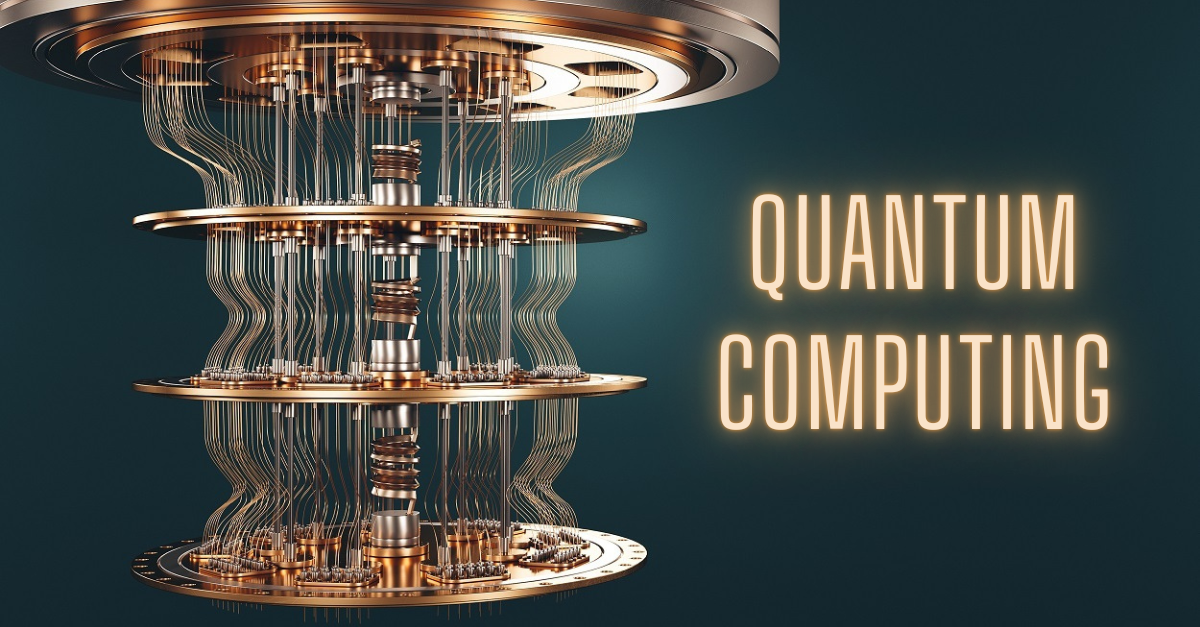
Recently, however, the quantum computing landscape has begun shifting, with a wave of optimism sparked by recent advancements in error correction – a technique engineered to encode information into qubits and mitigate their instability and noise. The implications for this long-standing problem are vast, offering the tantalizing possibility of practical applications and commercial viability.
The error correction hurdle has been a thorn in the side of researchers and developers, as quantum bits (qubits) are intrinsically unstable and hold their quantum states for only a short duration. The accumulation of faults during quantum calculations leads to significant noise, rendering the computers effectively useless. This predicament has kept quantum computers from reaching their full potential.
However, a newfound sense of hope has gripped the industry, with reports of significant strides in error correction from various sources, including Google, Harvard University, QuEra, Microsoft, and Quantinuum. These advancements have sparked a flurry of excitement, as experts see them as a potential turning point in the development of large-scale, error-corrected quantum systems.
These latest achievements can be attributed to several factors – new research results, hardware improvements, and a focus on practical engineering solutions. These advancements hint at a breakthrough in the error correction problem; one that could pave the way for quantum computers to handle previously inaccessible algorithms and unlock new markets and opportunities.
The race to build a practical, error-corrected quantum computer has intensified, with companies such as IBM, which has years of experience in developing experimental quantum systems, setting a definitive roadmap to reach this milestone by 2029. Amid this renewed optimism, researchers and industry experts are keenly aware of the challenges lying ahead – the rewards, though, are significant.
Moreover, the development of a more robust error correction system could expedite the commercialization of quantum computing technology. Market-leading companies could differentiate themselves from their competitors by utilizing error-corrected qubits, opening the door to lucrative opportunities and a competitive edge.
The question of what recent advances have been made in error correction that can eliminate the problem of qubit instability and noise in quantum computing looms large in the ongoing technological race. The progress in error correction represents more than just a scientific breakthrough – it signifies a potentially transformative moment for the quantum computing industry. If proven successful, these advancements could unlock the true potential of quantum computers, ushering in a new age of technological progress. The future is bright, and the promise of a noiseless, commercially viable quantum computer is no longer just a promise – it’s becoming a reality that’s closer than we think.